

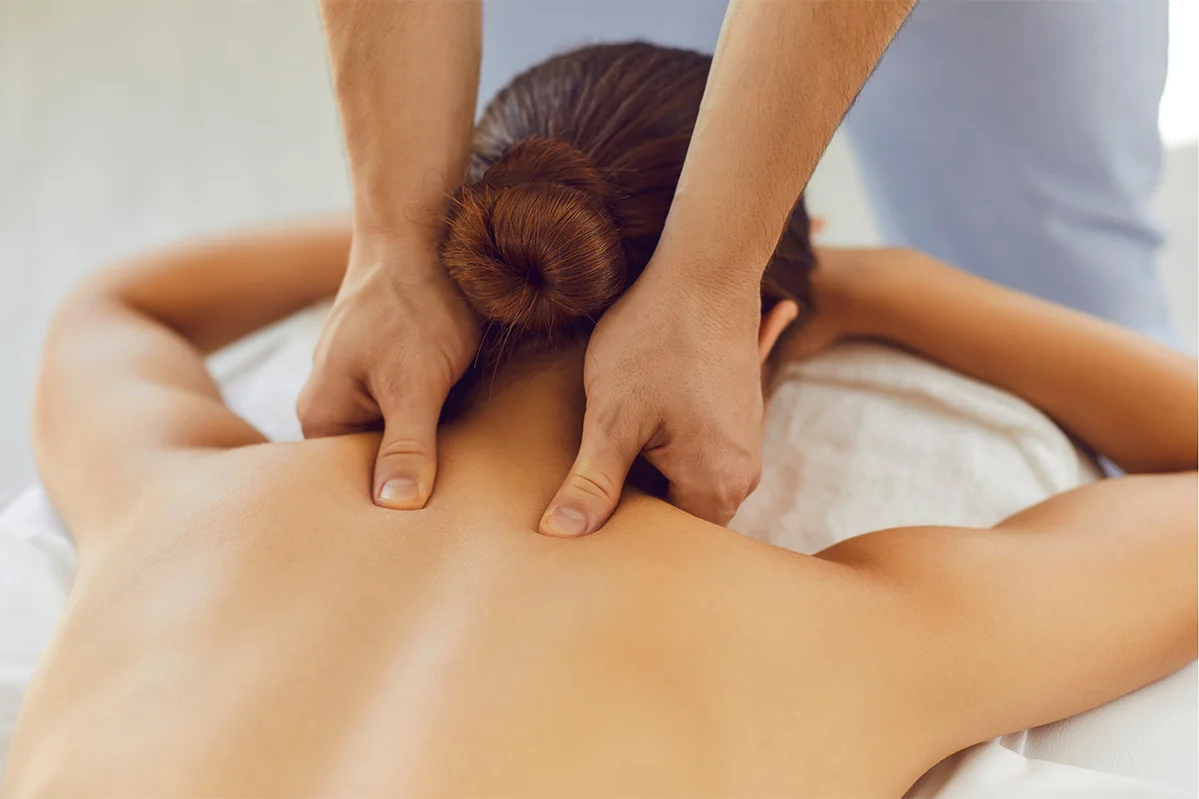
Unlike a gentle Swedish massage, deep tissue therapy uses slow, deliberate strokes and firm pressure to reach deeper layers of muscle and fascia. Many people looking for deep tissue massage Plano find that this technique helps reduce stress, ease pain and even lower blood pressure. By breaking down adhesions, or bands of rigid tissue, a therapist can restore normal movement and improve circulation. This makes deep tissue massage a valuable option for those who experience chronic tension from desk work, athletic training or long commutes.
Benefits for Recovery
The benefits of deep tissue massage extend past immediate relaxation. According to research compiled by WebMD, people use massage to relieve pain, enhance sleep and boost their immune system. A deep tissue session targets specific areas of tension, helping to reduce muscle soreness and improve range of motion. Some studies even suggest that regular massage can increase levels of oxytocin, a hormone associated with feelings of wellbeing, while decreasing cortisol, the stress hormone. Improved circulation delivers nutrients to muscles and aids recovery after intense physical activity.
Key reasons to try deep tissue massage include
- Relief of chronic pain – By applying firm pressure to knots and scar tissue, deep tissue massage can alleviate long‑standing pain and stiffness.
- Improved sleep – The combination of reduced pain and hormonal balance may lead to better, more restful sleep.
- Enhanced immune response – Studies have shown an increase in white blood cells after a massage, which helps fight off infections.
- Faster injury recovery – Breaking down adhesions and improving blood flow speeds healing of strained muscles and tendons.
- Lower blood pressure – Regular sessions may contribute to a reduction in blood pressure, benefiting overall cardiovascular health.
When to Choose Deep Tissue
A deep tissue massage is ideal for active individuals, chronic pain sufferers and anyone looking to address specific muscular issues. However, it may not be suitable for everyone; those with certain medical conditions should consult a healthcare provider before booking. If you are new to this style, start with monthly sessions and adjust based on how your body responds. Staying hydrated and stretching after your appointment can help minimize soreness and maximize benefits.
Bringing Massage Into Your Routine
Balancing work, family and personal life is challenging, but regular self‑care makes it easier. Deep tissue massage complements other wellness practices such as yoga, stretching and adequate sleep. By scheduling regular appointments, you can keep muscles flexible, prevent tension from building up and support long‑term health. If you are recovering from tough workouts or simply need respite from the demands of modern life, deep tissue massage provides a focused, therapeutic approach that addresses both physical and mental wellbeing.
Aftercare is an important part of deep tissue therapy. Drinking plenty of water helps flush out toxins released during the massage, while light stretching keeps muscles flexible. Scheduling regular sessions based on your activity level and listening to your body ensures that you receive the maximum benefit without overworking tissues. By combining massage with other healthy habits, you create a balanced routine that supports ongoing recovery.