

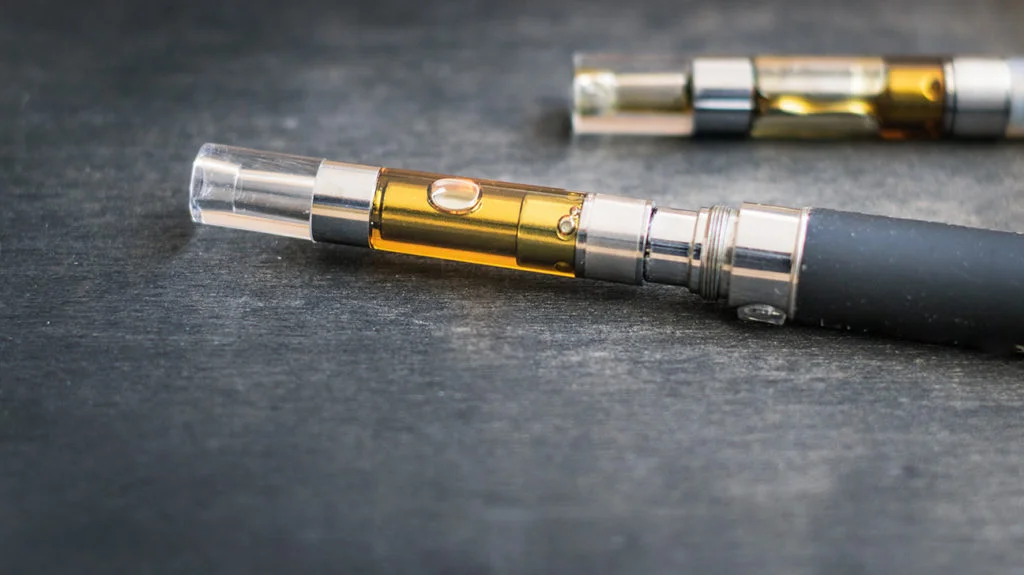
Electronic cigarettes, often called vapes, have gained significant popularity in Thailand and across the globe. They are frequently marketed as a less harmful alternative to traditional tobacco. This perception has led many to adopt vaping without fully understanding the potential risks involved. While they don’t produce tar like conventional cigarettes, the aerosol they create is not simply harmless water vapour.
The discussion around vaping often contrasts it with traditional tobacco use. Many people are familiar with the well-documented Health effects of smoking (known as ผลกระทบของการสูบบุหรี่ in Thai), which include a wide range of serious diseases. However, this comparison can sometimes obscure the specific dangers that e-cigarettes themselves introduce. The liquid used in these devices, known as e-liquid or vape juice, contains a mixture of chemicals that are heated into an aerosol for inhalation.
Understanding what is inside these e-liquids is important for evaluating their safety. The main ingredients typically include nicotine, propylene glycol, vegetable glycerin, and various flavourings. When these substances are heated to high temperatures, they can create new chemical compounds, some of which are known to be harmful to the human body. The long-term impact of inhaling these substances is still an area of active scientific research.
One of the primary concerns is the presence of nicotine. Nicotine is a highly addictive substance, regardless of its delivery method. For young people, whose brains are still developing, exposure to nicotine can interfere with cognitive function and attention. The addictive nature of nicotine means that what starts as occasional use can quickly become a daily habit, making it difficult to stop. In Thailand, where there is growing awareness about public health, the addictive potential of these products is a significant issue.
Beyond nicotine, the flavouring agents used in e-liquids present another set of health questions. Many of these flavourings are considered safe to eat, but their effects when inhaled are not well understood. Studies have found that some flavour chemicals, when heated, can irritate the lungs and may contribute to inflammation. The aerosol from e-cigarettes also contains ultrafine particles that can be inhaled deep into the lungs, along with heavy metals like nickel, tin, and lead.
The rise of vaping introduces a new chapter in public health. While often seen as a modern alternative to cigarettes, e-cigarettes carry their own distinct set of risks. The long-term consequences of regular use are not yet fully known, but emerging evidence indicates that they are far from harmless. For people in Thailand considering these products, it is wise to be aware of the potential health hazards associated with inhaling these chemical aerosols.