

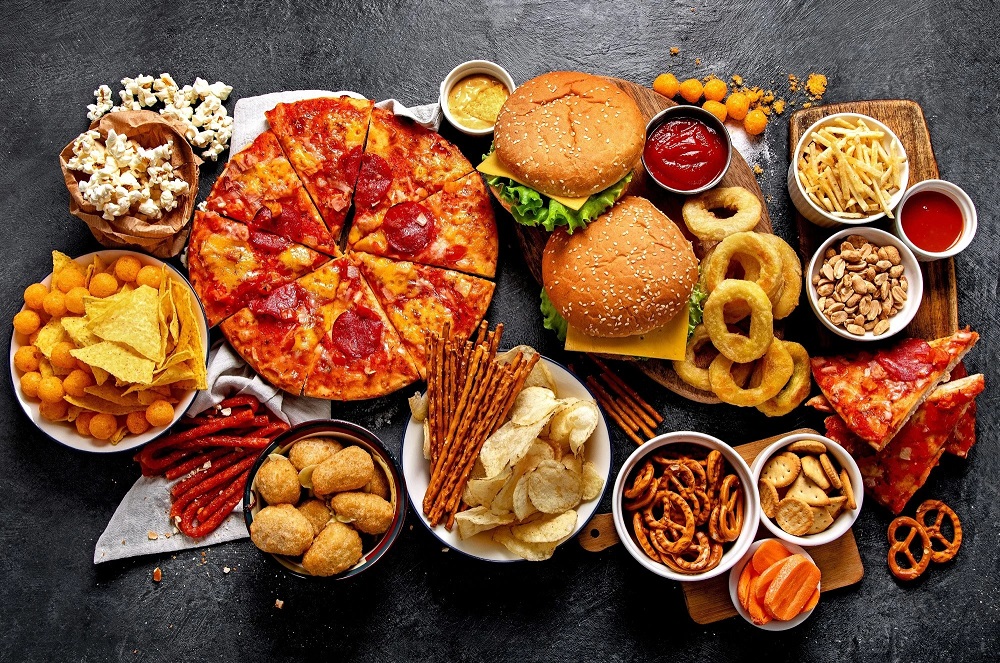
Modern diets have undergone a radical transformation over the past few decades. Whole, single-ingredient foods that once formed the cornerstone of human nutrition have largely been replaced by manufactured, hyper-palatable convenience items. These ultra-processed products now dominate grocery store shelves and daily calorie intake across many developed countries.
While ultra-processed foods offer quick convenience and long shelf lives, evidence links their high consumption to chronic illness, metabolic disruption, and systemic inflammation. Reducing your intake of ultra-processed items in favor of nutrient-dense whole foods is one of the most impactful decisions you can make for your long-term health, physical energy, and overall well-being.
Understanding What Defines Ultra-Processed Foods
To reduce ultra-processed foods effectively, you must first understand how food processing is classified. The NOVA classification system, widely used by nutritional scientists globally, divides food products into four distinct categories based on the extent and purpose of industrial processing.
Unprocessed or Minimally Processed Foods
These are whole foods in their natural state or altered only by basic processes like cleaning, freezing, drying, or pasteurization to make them safe and edible. Examples include fresh fruits, vegetables, raw nuts, whole grains, fresh eggs, and plain cuts of meat or fish.
Processed Culinary Ingredients
Ingredients derived directly from group one foods or nature through pressing, refining, or milling. These items are rarely consumed by themselves; instead, they are used in kitchens to season and cook whole foods. Examples include olive oil, butter, maple syrup, honey, and natural sea salt.
Processed Foods
Relatively simple products made by combining group one whole foods with group two culinary ingredients to extend shelf life or enhance flavor. Examples include freshly baked artisanal bread, canned beans in salt brine, canned tuna, and aged cheeses.
Ultra-Processed Foods
Industrial formulations typically made with little to no intact whole ingredients. These products are created through complex industrial processing methods—such as extrusion, hydrogenation, molding, and pre-frying—and contain additives rarely used in home kitchens. These additives include high-fructose corn syrup, artificial flavors, emulsifiers, colorings, modified starches, and artificial sweeteners.
Common examples of ultra-processed foods include mass-produced packaged bread, sugary breakfast cereals, sodas, frozen microwave meals, hot dogs, flavored potato chips, instant noodle packs, and commercial energy bars.
Metabolic and Cardiovascular Health Improvements
Swapping ultra-processed items for whole foods yields immediate and long-term benefits for your metabolic framework and heart health.
Stabilization of Blood Sugar and Insulin Sensitivity
Ultra-processed foods are typically stripped of natural dietary fiber and packed with refined carbohydrates and added sugars. This combination leads to rapid digestion, causing sharp spikes in blood glucose levels followed by elevated insulin responses. Over time, frequent glucose spikes strain the pancreas and promote insulin resistance, the primary driver of type two diabetes.
Whole foods contain complex carbohydrates paired with natural matrix fiber. Fiber slows down gastric emptying and glucose absorption, keeping blood sugar levels stable, improving insulin sensitivity, and reducing long-term metabolic strain.
Reduction in Cardiovascular Disease Risk
Industrial food processing frequently relies on cheap, hydrogenated seed oils, refined sodium, and industrial trans fats to extend shelf life and enhance taste. Excessive intake of these compounds promotes arterial plaque accumulation, elevates blood pressure, and raises low-density lipoprotein cholesterol levels.
Transitioning to a whole-food diet lowers overall sodium intake, eliminates industrial trans fats, and increases protective nutrients like potassium, magnesium, and omega-three fatty acids. These changes improve vascular elasticity, lower blood pressure, and reduce the overall risk of heart attacks and strokes.
Gut Microbiome Restoration and Digestive Health
The human digestive tract relies on a balanced ecosystem of trillions of microorganisms, known as the gut microbiome. Ultra-processed foods harm this internal ecosystem in several key ways.
Protection of the Intestinal Lining
Ultra-processed products frequently contain synthetic emulsifiers, such as carboxymethylcellulose and polysorbate eighty, which are added to improve food texture and extend shelf stability. Research shows these compounds can erode the protective mucus barrier lining the intestines, triggering localized inflammation and increasing intestinal permeability, often referred to as leaky gut syndrome.
Nourishing Beneficial Gut Bacteria
Beneficial gut bacteria thrive on prebiotic fibers found in whole vegetables, fruits, legumes, and intact whole grains. Because industrial refining removes natural fiber, diets high in ultra-processed foods starve these beneficial microbes, allowing harmful bacteria to flourish. Eating fiber-rich whole foods feeds beneficial bacteria, which produce short-chain fatty acids that reduce systemic inflammation and strengthen intestinal wall integrity.
Natural Weight Management and Satiety Regulation
One of the biggest issues with ultra-processed foods is that they are industrially engineered to be hyper-palatable. Food manufacturers combine specific ratios of fat, sugar, salt, and artificial flavor enhancers to trigger dopamine responses in the brain, overriding your body’s natural hunger and fullness signals.
Restoring Natural Appetite Hormones
Ultra-processed foods require minimal chewing and digest rapidly, failing to stimulate the full release of satiety hormones like peptide YY and glucagon-like peptide one. As a result, you can consume large amounts of calories without feeling full.
In contrast, whole foods require more chewing and retain their natural physical structures. The combination of dietary fiber, complete proteins, and natural water content stretches the stomach wall and signals satiety to the brain, helping you manage weight naturally without counting calories constantly.
Eliminating Empty Calories
Ultra-processed foods are energy-dense but nutrient-poor, offering high calorie counts with minimal vitamins, minerals, or antioxidants. Replacing these empty calories with nutrient-dense whole foods nourishes your cells properly, curbing constant cravings caused by hidden nutritional deficiencies.
Practical Steps to Reduce Ultra-Processed Foods
Completely eliminating processed foods overnight can feel overwhelming. Adopting a progressive, sustainable approach makes shifting toward whole foods much easier over time.
- Cook Simple Meals at Home: Preparing meals from scratch using basic whole ingredients gives you full control over what goes into your food, eliminating hidden additives, emulsifiers, and excess sodium.
- Read Ingredient Lists Carefully: Inspect packaged food labels. As a rule of thumb, if an item contains more than five ingredients or includes chemical names you would not find in a standard home kitchen, it is likely ultra-processed.
- Focus on Perimeter Shopping: Spend most of your time around the outer perimeter of the grocery store, where fresh produce, meats, fish, eggs, and dairy items are displayed. Minimize time spent in the middle aisles filled with packaged shelf-stable goods.
- Upgrade Your Snacks: Replace processed snack packs, candy bars, and chips with whole-food alternatives like fresh fruit with nut butter, raw almonds, hard-boiled eggs, or sliced vegetables with homemade hummus.
- Swap Sugary Beverages for Water: Sodas, sweetened iced teas, fruit juices, and commercial energy drinks are major sources of liquid ultra-processed calories. Replace them with plain water, sparkling water with fresh lemon slices, or unsweetened herbal teas.
Frequently Asked Questions
Are all processed foods bad for your health?
No. Processing exists on a spectrum. Minimally processed foods like frozen vegetables, canned beans, plain Greek yogurt, and rolled oats undergo simple processing for preservation or safety without adding harmful industrial additives. These items retain their nutritional value and fit perfectly into a healthy diet.
How long does it take to notice health improvements after cutting out ultra-processed foods?
Many people notice positive changes within one to two weeks of reducing ultra-processed foods. Initial improvements often include more consistent energy levels, reduced abdominal bloating, clearer skin, better digestion, and fewer intense sugar cravings as blood glucose levels stabilize.
Is eating a whole-food diet more expensive than buying ultra-processed foods?
While some fresh organic items can be pricey, a whole-food diet built around staple ingredients like canned or dried beans, lentils, brown rice, seasonal root vegetables, frozen produce, and eggs is often cheaper than relying on branded pre-packaged meals, fast food, and convenience snacks.
Can eating ultra-processed foods impact mental health and mood?
Yes. Diets high in ultra-processed foods are linked to higher rates of depression and anxiety. Rapid blood sugar crashes trigger irritability and stress hormone releases, while gut microbiome disruption caused by artificial additives affects serotonin production, directly influencing mood balance.
Why are artificial emulsifiers used so heavily in ultra-processed foods?
Food manufacturers use artificial emulsifiers to mix ingredients that normally separate, like oil and water. They improve product texture, prevent separation during shipping, create a smoother mouthfeel, and extend shelf life on store display racks for months or years.
How do ultra-processed foods affect sleep quality?
Ultra-processed foods are high in refined sugars and unhealthy fats, which can disrupt sleep patterns. Eating high-sugar snacks late at night causes blood glucose spikes and crashes that wake you up, while heavy, hard-to-digest industrial fats can cause acid reflux and disrupt deep, restorative sleep stages.
Do protein bars and meal replacement shakes count as ultra-processed foods?
Yes, most commercial protein bars and meal replacement shakes qualify as ultra-processed. Despite being marketed as healthy fitness products, they frequently contain isolated soy or whey proteins, artificial sweeteners, emulsifiers, palm oils, and synthetic fiber additives. Whole-food protein sources like eggs, fish, chicken, nuts, and plain yogurt are far superior options.