

Introduction: Rethinking Fitness Beyond the Mirror
In an age dominated by filtered images and fast solutions, fitness is often reduced to aesthetics — chiseled abs, defined muscles, and “before-and-after” pictures. Yet true fitness is a far more nuanced and layered pursuit. It is a deeply personal and holistic journey, encompassing physical strength, mental clarity, emotional resilience, and lifestyle harmony. To be fit is not simply to look good, but to feel alive — to move freely, to think clearly, and to live mindfully.
Understanding Fitness: A Multifaceted Concept
The concept of fitness has evolved significantly. Today, it’s no longer confined to weightlifting or long hours on the treadmill. Instead, fitness encompasses:
-
Physical Health: Cardiovascular strength, muscular endurance, flexibility, and metabolic function.
-
Mental Wellness: Stress management, sleep hygiene, cognitive focus, and emotional regulation.
-
Nutritional Intelligence: Knowing what fuels your body, not just counting calories.
-
Lifestyle Integration: Building sustainable habits rather than pursuing short-term fixes.
This broader definition encourages individuals to see fitness not as a destination, but as a lifelong engagement with self-care and self-improvement.
The Physical Pillar: Training with Purpose
Exercise with Intention
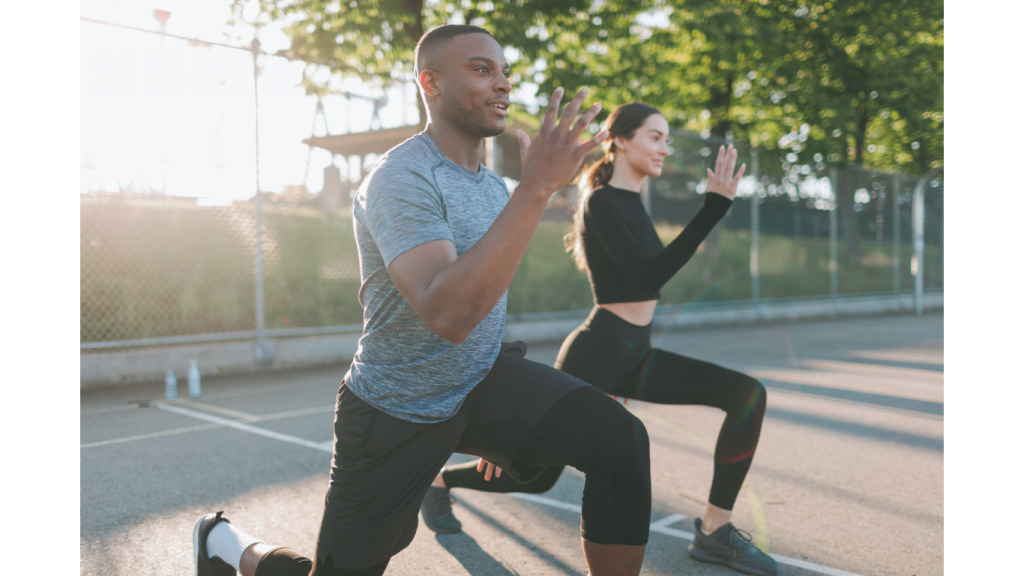
Gone are the days of generic routines. Effective fitness now revolves around purposeful movement that aligns with individual goals and body types. Whether you’re training for a marathon, building lean muscle, or simply seeking more energy, your routine should be as unique as your fingerprint.
Key Components of a Balanced Workout Plan:
-
Strength Training: Builds muscle, boosts metabolism, and enhances joint health.
-
Cardiovascular Exercise: Improves heart function, stamina, and burns calories.
-
Mobility and Flexibility Work: Yoga, dynamic stretching, or functional movements enhance range of motion and prevent injury.
-
Recovery Practices: Adequate rest, foam rolling, and active recovery are essential for performance and longevity.
Consistency matters more than intensity. A moderate, sustainable approach typically leads to better results than sporadic extremes.
Nutrition: The Foundation of Functional Fitness
Nutrition is not a punishment or a rigid set of restrictions. It’s the fuel that powers your movement, supports your recovery, and sharpens your mind.
Principles of Smart Nutrition:
-
Prioritize Whole Foods: Lean proteins, complex carbohydrates, healthy fats, and a rainbow of vegetables.
-
Hydration is Key: Water regulates temperature, supports digestion, and aids in nutrient transport.
-
Mindful Eating: Pay attention to hunger and fullness cues. Avoid emotional eating traps.
-
Moderation Over Elimination: A glass of wine or a dessert won’t sabotage your health if your overall habits are sound.
Remember, diets may come and go, but nutritional wisdom lasts a lifetime.
Mental and Emotional Fitness: The Hidden Dimension
Physical health and mental clarity are deeply interconnected. You can’t be truly fit if your mind is overwhelmed, unfocused, or burdened by chronic stress.
Mental Fitness Strategies:
-
Mindfulness Practices: Meditation, journaling, or simply spending quiet time unplugged can foster inner peace.
-
Quality Sleep: Aim for 7–9 hours of restful sleep. It’s your brain’s natural reset button.
-
Digital Detox: Step away from screens to reduce mental clutter and improve presence.
-
Emotional Resilience: Cultivate emotional intelligence through self-reflection and constructive feedback.
Mental strength is often what carries you forward when motivation fades. It’s the backbone of discipline, consistency, and purpose.
Building a Sustainable Lifestyle: Fitness as a Daily Rhythm
Adherence is the real challenge in fitness. Anyone can start — few can sustain. The key is to embed wellness into your lifestyle seamlessly.
Habits That Last:
-
Create a Routine: Regularity builds momentum. Even 20 minutes a day is better than none.
-
Make Movement Fun: Dancing, hiking, martial arts — the options are endless. Choose what excites you.
-
Set Realistic Goals: Progress is not linear. Small, achievable milestones build confidence.
-
Find Your Community: A supportive circle, whether online or in-person, can keep you motivated and accountable.
Fitness is not about perfection, but about progression — small steps that lead to transformative results over time.
Debunking Common Myths in Fitness
Even in 2025, many misconceptions linger. Let’s clear the air:
-
“No pain, no gain” is outdated: Pain often signals a problem. Discomfort is part of growth; pain is not.
-
Cardio isn’t the only fat-burning tool: Strength training and nutrition play massive roles.
-
Supplements are not shortcuts: They’re additions to, not replacements for, a healthy diet.
-
You don’t have to train daily: Rest days are just as crucial for growth and performance.
Education is empowerment. Understanding your body helps you make choices that are both effective and safe.
Conclusion: Fitness as a Lifelong Conversation with Yourself
Fitness is not a race against others but a dialogue with yourself — one that evolves with your age, goals, environment, and life stage. It’s a craft, an art, and a discipline rolled into one. To be fit is to take ownership of your life, to show up for yourself daily, and to strive for excellence — not just in your body, but in your mind and spirit.
The most remarkable transformation is not what you see in the mirror, but how you begin to feel in your own skin — strong, centered, and alive.