

Pregnancy and early motherhood bring profound changes to the body, many of which are not discussed openly. Beyond visible changes, there are shifts in breathing patterns, core function, joint stability, and energy levels. In Singapore, where many women balance demanding careers with family life, these physical changes can feel overwhelming. Strength training during and after pregnancy is not about pushing limits. It is about rebuilding confidence, function, and resilience in a way that respects the body’s new reality.
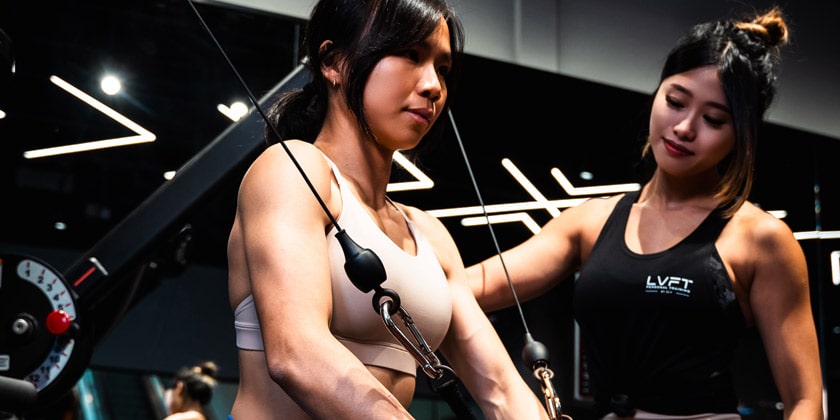
Working with a qualified fitness trainer singapore ensures that pre and postnatal training is structured, safe, and aligned with each stage of pregnancy or recovery. The goal is not just to exercise, but to support long-term health, movement quality, and daily comfort.
How Pregnancy Changes the Body Mechanically
Pregnancy affects far more than the abdomen. Hormonal changes increase joint laxity, posture shifts as the centre of mass changes, and breathing mechanics adapt to support the growing baby.
Common physical changes include:
-
Reduced core pressure management
-
Increased lower back and pelvic strain
-
Altered gait and balance
-
Tight hips and upper back tension
-
Reduced tolerance to fatigue
Ignoring these changes can lead to discomfort that persists long after delivery. Addressing them early creates a smoother transition into postpartum recovery.
Why Strength Training Is Valuable During Pregnancy
Strength training during pregnancy, when appropriately designed, supports the body rather than stressing it. It helps maintain muscle tone, joint stability, and movement confidence.
Benefits of prenatal strength training include:
-
Improved posture as the body changes
-
Better load tolerance for daily tasks
-
Reduced aches in the back and hips
-
Enhanced awareness of breathing and core control
-
Preparation for the physical demands of delivery and caregiving
The focus is not on intensity, but on quality and control.
Breathing and Core Function During Pregnancy
The core is not just about abdominal muscles. It includes the diaphragm, pelvic floor, deep abdominal muscles, and spinal stabilisers. Pregnancy alters how these systems work together.
Training emphasises:
-
Coordinated breathing rather than breath holding
-
Gentle core engagement without bracing
-
Awareness of pelvic floor response to movement
-
Reducing unnecessary tension
This foundation supports both pregnancy comfort and postpartum recovery.
Safe Strength Training Principles for Pregnancy
Not all exercises are appropriate during pregnancy, but many can be modified safely. The key is understanding intent rather than blindly following exercise lists.
Key principles include:
-
Prioritising stability over maximal load
-
Using controlled tempos
-
Avoiding movements that cause pressure symptoms
-
Allowing rest as needed
-
Adjusting range of motion as the body changes
Each trimester may require different adjustments based on comfort and energy.
Preparing the Body for Postpartum Recovery
Postnatal recovery starts before delivery. Training during pregnancy builds awareness that carries into the postpartum phase.
Preparation includes:
-
Learning to relax and engage the pelvic floor
-
Maintaining hip and upper back mobility
-
Building leg and arm strength for lifting
-
Developing confidence in movement
This preparation reduces fear and uncertainty when returning to activity after birth.
Understanding the Postpartum Reality
After delivery, many women expect to return to normal quickly. In reality, recovery is highly individual. Sleep disruption, feeding schedules, and emotional changes all affect physical recovery.
Common postpartum challenges include:
-
Core weakness or separation
-
Pelvic floor symptoms
-
Wrist, shoulder, and back pain from caregiving
-
Fatigue and reduced recovery capacity
Training must adapt to these realities rather than ignoring them.
Rebuilding Strength After Delivery
Postnatal strength training focuses on restoring function gradually. This is not the time for aggressive fat loss or high-impact exercise.
Early priorities include:
-
Re-establishing breathing coordination
-
Gentle core and pelvic floor integration
-
Controlled lower body strength
-
Improving posture during feeding and carrying
Progression is guided by symptom response, not timelines.
Managing Expectations and Progress
One of the biggest challenges in postnatal training is expectation management. Comparing recovery speed with others can lead to frustration.
A realistic approach focuses on:
-
Consistency over intensity
-
Small, measurable improvements
-
Listening to physical feedback
-
Adjusting goals as life demands change
Progress is not linear, and that is normal.
Strength Training for Daily Motherhood Tasks
Strength training supports real-life demands, not just gym performance. Carrying a baby, lifting prams, and prolonged standing all require endurance and stability.
Training addresses:
-
Arm and grip strength for carrying
-
Back and hip strength for lifting
-
Core control for twisting and bending
-
Stamina for long days
This functional focus improves comfort and reduces injury risk.
Returning to Higher Intensity Training
Some women aim to return to running, heavier lifting, or high-intensity classes. This is possible, but only after foundational strength and control are restored.
Before increasing intensity, training ensures:
-
No pain or pressure symptoms
-
Adequate core and pelvic floor coordination
-
Stable movement patterns
-
Sufficient recovery capacity
Rushing this phase often leads to setbacks.
Emotional Well-being and Training
Training also supports mental health during a time of major life transition. Movement can reduce stress, improve mood, and restore a sense of self.
Benefits include:
-
Structured time for self-care
-
Improved energy levels
-
Increased confidence in the body
-
Reduced anxiety around movement
These effects are just as important as physical changes.
Training in a Supportive Environment
A supportive training environment respects the complexity of pre and postnatal phases. Coaching that prioritises education, patience, and adaptability leads to better outcomes.
Many women in Singapore choose TFX Singapore because of its structured approach to strength, movement quality, and long-term progression, making it suitable for women navigating pregnancy and postpartum recovery.
FAQ: Pre and Postnatal Strength Training
Is strength training safe during pregnancy?
Yes, when exercises are selected and modified appropriately. Training should prioritise control, comfort, and breathing.
When can I start training after delivery?
Light movement and breathing work can begin early, but structured strength training should follow medical clearance and personal readiness.
What if I experience discomfort during training?
Discomfort is a signal to adjust. Training should never push through pain or pressure symptoms.
Can strength training help with pelvic floor issues?
Yes, when combined with proper breathing and coordination. It should focus on function, not constant contraction.
How often should I train postpartum?
Two to three short sessions per week are often effective when paired with daily movement habits.
Do I need to avoid certain exercises forever?
No. Many exercises can be reintroduced gradually once strength and control are restored.
Will training help with postural pain from feeding and carrying?
Yes. Strengthening the upper back, arms, and core reduces strain during daily tasks.
Is it realistic to regain strength while caring for a newborn?
Yes, with flexible programming and realistic expectations. Consistency matters more than volume.
By approaching pre and postnatal strength training with structure and patience, women in Singapore can build a strong foundation that supports both motherhood and long-term health.