

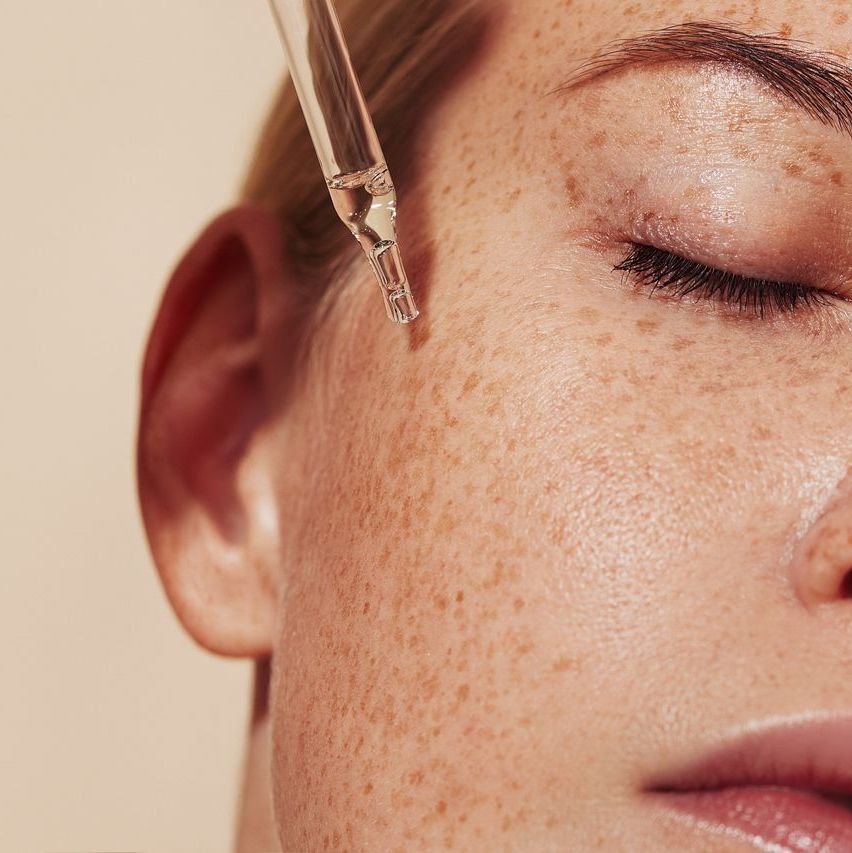
Melasma, characterised by dark and patchy pigmentation on the skin, poses a persistent challenge for many individuals. For residents of Thailand, where ample sun exposure can worsen this condition, addressing melasma often requires treatments tailored to local environmental factors and skin types. Fortunately, advances in dermatology offer promising ways to manage stubborn melasma, with a focus on solutions that suit tropical climates.
Causes and Complications of Melasma
Melasma can be triggered by a variety of factors, including excessive UV exposure, hormonal changes, and genetics. Its appearance as brown or greyish patches on the face, particularly on the forehead, cheeks, and nose, makes it a concern both medically and aesthetically. For individuals living in sunny climates like Thailand, prolonged sun exposure can exacerbate melasma, making prevention and thoughtful treatment all the more essential.
Another complicating factor is how melasma penetrates the skin. While superficial melasma affects the top layer (the epidermis), stubborn or deep melasma treatment (known as วิธีรักษาฝ้าลึก in Thai) requires addressing pigmentation rooted in the dermis.
Advanced Treatments Suited for Stubborn Melasma
Pico Laser Technology
Pico lasers have quickly gained recognition for their ability to treat pigmentation disorders without causing significant damage to the surrounding skin. This non-invasive treatment uses ultra-short laser pulses to shatter the pigmentation into smaller particles, allowing the body to clear it naturally. It’s particularly effective for individuals with deeper forms of melasma, and it is designed to minimise post-treatment downtime, suiting busy individuals.
Tranexamic Acid
Tranexamic acid, administered either topically or orally, is often used for reducing the severity of melasma. The compound works by inhibiting melanin production and decreasing the activity of tyrosinase enzymes. This makes it a highly effective option for those with stubborn pigmentation that has proven resistant to other approaches.
Thai Herbal and Natural Remedies
Thailand has a rich history of using herbal alternatives for skin treatments. Ingredients like turmeric and ginger are known for their anti-inflammatory and brightening properties. While these methods are often seen as complementary strategies, they can support medical treatments by soothing the skin and reducing irritation.
Chemical Peels
Tailored to suit tropical climates, chemical peels for melasma often involve ingredients like glycolic acid or lactic acid to exfoliate the top layers of skin. Controlled application removes the pigmented layers while encouraging healthier skin regeneration. However, careful after-care to minimise sun exposure is critical in achieving effective outcomes.
Sunscreen as a Preventative Tool
Prevention is central to long-term management. Sunscreen with a high SPF and broad-spectrum protection should be a non-negotiable step in any individual’s routine. Those living in Thailand benefit from lightweight formulas that resist sweat and humidity while offering maximum sun protection.
The Takeaway
Addressing stubborn melasma requires a detailed understanding of both the condition and the individual’s environment from expert such as Sita Clinic. Thanks to ongoing advancements in technology and medicine, innovative solutions like pico lasers and tranexamic acid have been tailored to meet these challenges. Meanwhile, time-tested remedies incorporating local Thai knowledge ensure that solutions remain holistic and accessible.
For anyone dealing with melasma, taking proactive steps with professional advice and customised treatments can help you regain clear and healthy-looking skin while navigating the challenges of living in a sun-soaked country.